Flood Restoration Training: Building Technical Excellence Through Real-World Experience
There is no shortage of theory in the restoration industry.
What is far harder to find is the opportunity to apply that knowledge in a realistic environment before you're standing in someone's flooded home making decisions that affect thousands of dollars in materials, equipment, insurance costs and customer outcomes.
That's exactly why the Australian Cleaning & Restoration Academy developed its immersive 3-Day Flood Restoration Training Program at the purpose-built RPF Building & Restoration Interactive Training Centre in Newcastle.
This isn't a classroom course.
It isn't death by PowerPoint.
And it certainly isn't training that stops once you've passed an assessment.
It's designed to replicate the decisions, challenges and conditions restoration professionals face every day, allowing technicians, business owners and restoration professionals to build confidence through practical experience rather than theory alone.
Built for Real Restoration
One of the biggest challenges facing our industry is bridging the gap between understanding what to do and knowing how to do it on a live project.
Our training has been developed by restorers, for restorers.
Every practical exercise is based on genuine restoration scenarios, helping participants understand not only what equipment to use, but more importantly why it works, when to use it, and how to adapt when conditions change.
That philosophy runs throughout the entire three-day program.
A Training Facility Unlike Anything Else
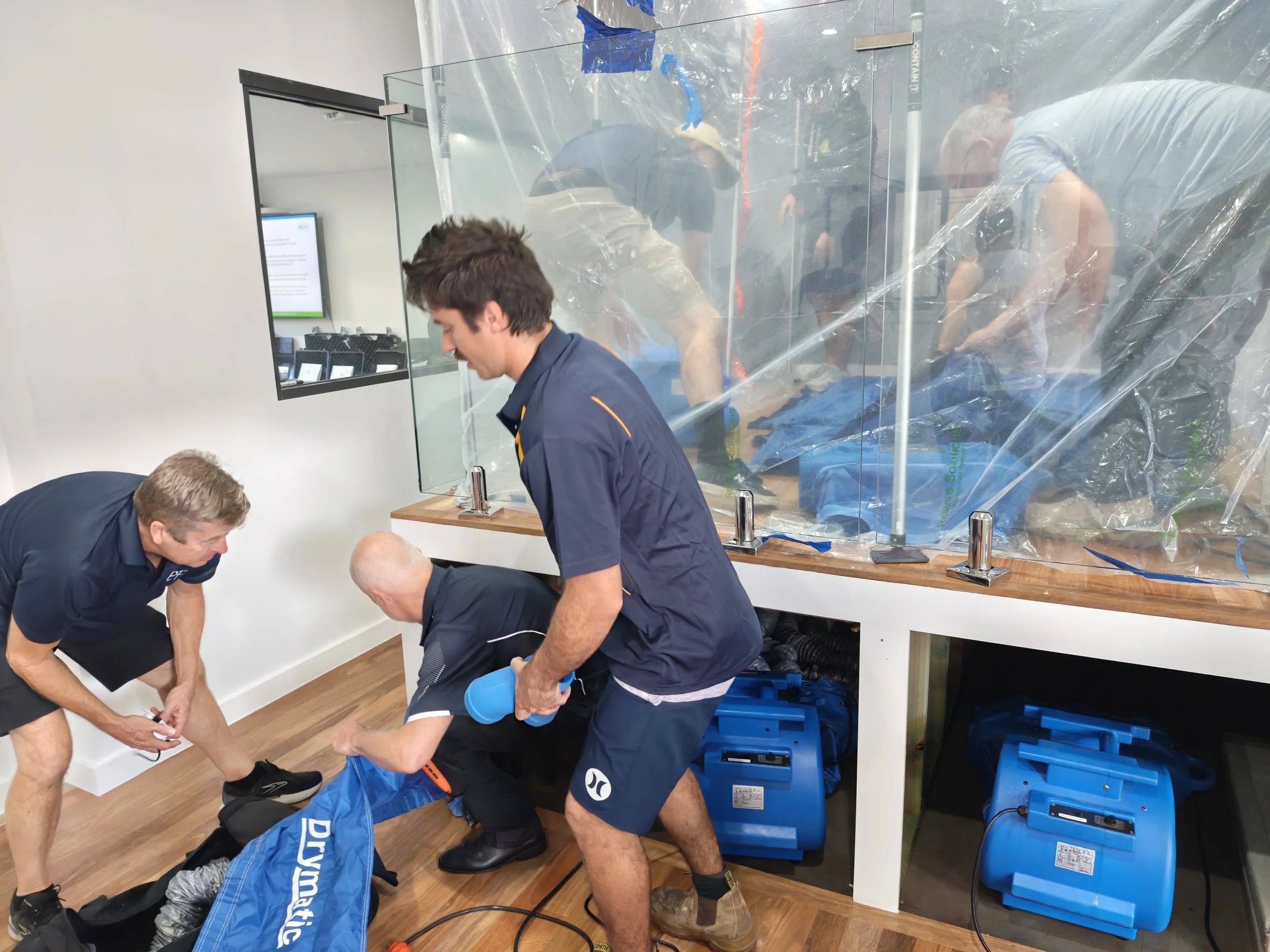
Rather than working from photos or theoretical examples, participants train inside a purpose-built interactive flood house specifically designed to demonstrate how different construction methods respond to water damage.
The facility includes:
Hardwood flooring laid over plywood
Hardwood flooring on battens
Hardwood flooring over particleboard
Carpeted rooms
Concrete slabs
Brick construction
Insulated wall cavities
Kitchens
Crawl spaces
Suspended ceilings
Downlights
Subfloor construction
Instead of simply discussing these assemblies, participants flood them, inspect them, monitor moisture movement and dry them using a range of professional techniques.
This creates a learning experience that's impossible to achieve through theory alone.
"The practical side was really good. The new facility is amazing. You've got your subfloor section, your kitchen, full timber floor, bedroom, carpet, concrete—everything you'd come across in a home. We got to go through all of that and do readings with new meters and all the new equipment."
Ben, Got Wet Restorations
Understanding How Buildings Actually Dry
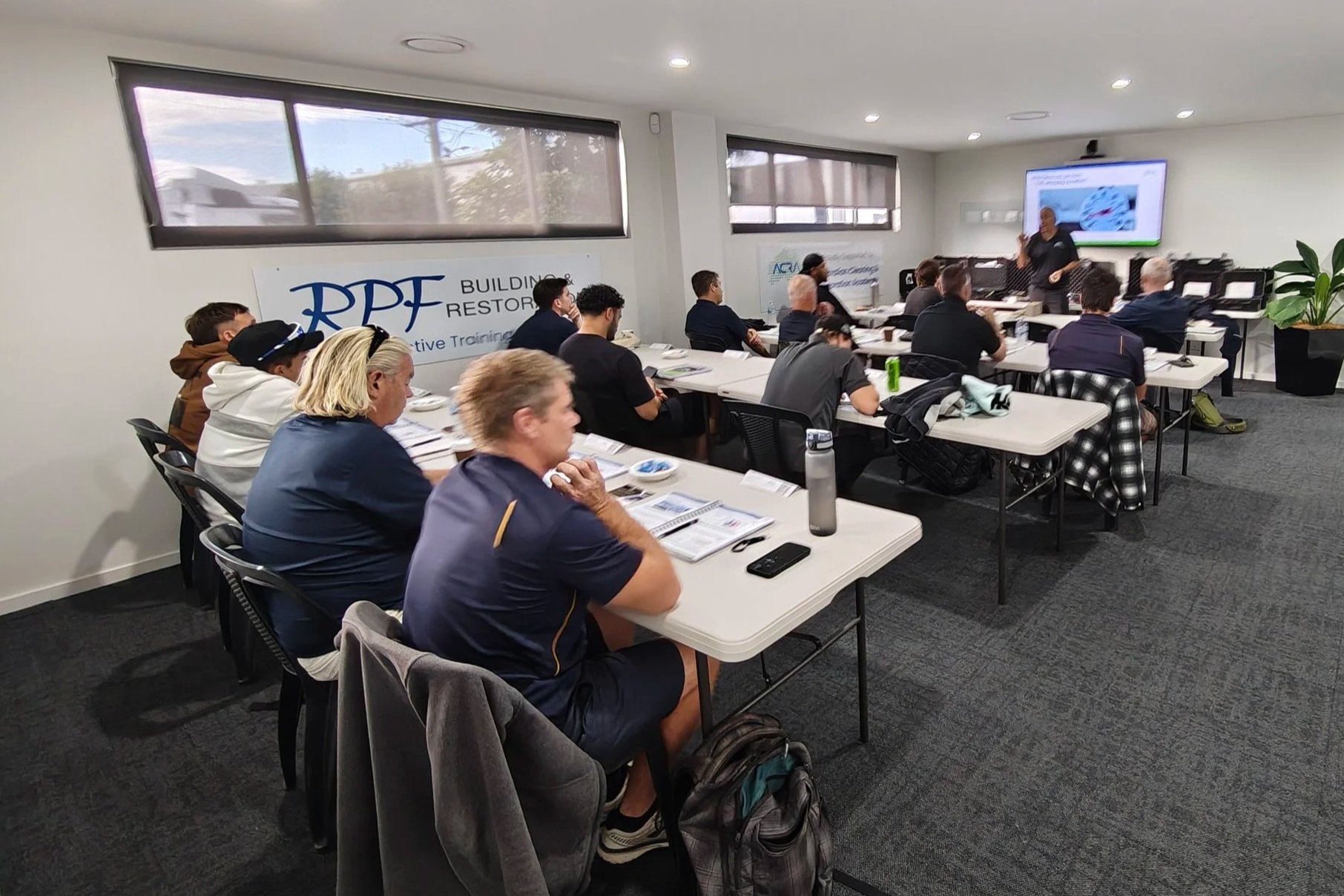
One of the biggest misconceptions in restoration is that drying is simply about placing equipment inside a room.
Professional restoration is far more scientific.
The course begins by exploring the building science behind structural drying, helping participants understand:
How moisture moves through different materials
Why some materials dry quickly while others don't
Vapour pressure relationships
Moisture migration pathways
Material permeability
The importance of creating appropriate drying conditions
Once these principles are understood, participants move directly into practical application.
The result isn't simply following a drying formula—it is understanding the science that allows technicians to confidently solve complex drying situations.
Mastering Moisture Detection
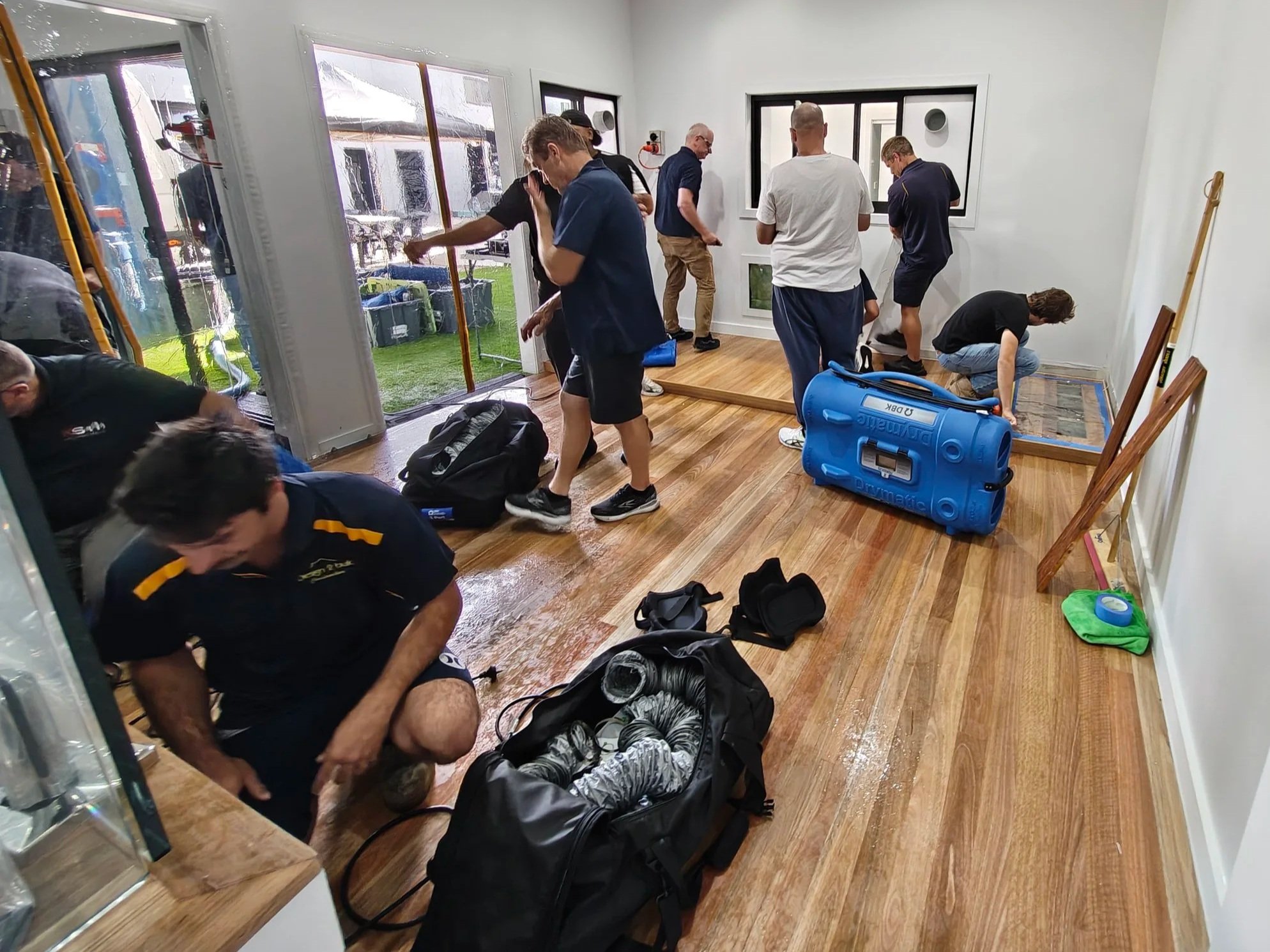
Modern restoration depends on accurate moisture detection.
Throughout the course, participants work with a variety of moisture detection technologies, learning how and when each should be used.
Training includes:
Non-invasive dielectric moisture meters
Microwave moisture meters
Pin moisture meters
Brush probes
Insulated deep-wall probes
Conductivity paste
In-depth hygrometer testing
Concrete moisture testing
Timber moisture evaluation
Rather than simply collecting readings, participants learn how to interpret results, establish dry standards and document findings that support restoration decisions.
This practical understanding improves reporting, increases confidence and leads to better outcomes for clients and insurers alike.
Hands-On Mould Remediation Training
Water damage often creates the ideal conditions for mould growth, making mould assessment and remediation an essential skill for today's restoration professional. Throughout the course, participants gain hands-on experience working through realistic Condition 1, Condition 2 and Condition 3 mould contamination scenarios, learning the complete mould investigation and remediation process from initial assessment through to post-remediation considerations.
Training covers identifying the source of moisture, conducting mould investigations, assessing the extent of contamination, selecting appropriate remediation strategies and implementing industry best practice. Participants learn the importance of appropriate personal protective equipment (PPE), establishing effective containment, using HEPA air filtration, safely removing unsalvageable materials, undertaking HEPA vacuuming, detailed cleaning techniques, and verifying that remediation has been completed to an appropriate standard.
This practical approach helps technicians understand not only what needs to be done, but why each step is critical in preventing cross-contamination, protecting occupants and workers, and achieving successful remediation outcomes.
Saving More Materials Through Restoration
One of the strongest themes throughout the program is material salvage.
The cheapest floor to replace is the one you don't replace.
Rather than automatically removing materials, participants explore how modern restoration techniques can successfully restore timber flooring, wall cavities, concrete, subfloors and other structural elements that may previously have been written off.
The emphasis is always on making informed decisions supported by moisture data, building science and practical experience.
For restoration businesses, this creates significant value by improving customer outcomes while reducing unnecessary demolition and replacement costs.
Equipment That Makes Sense
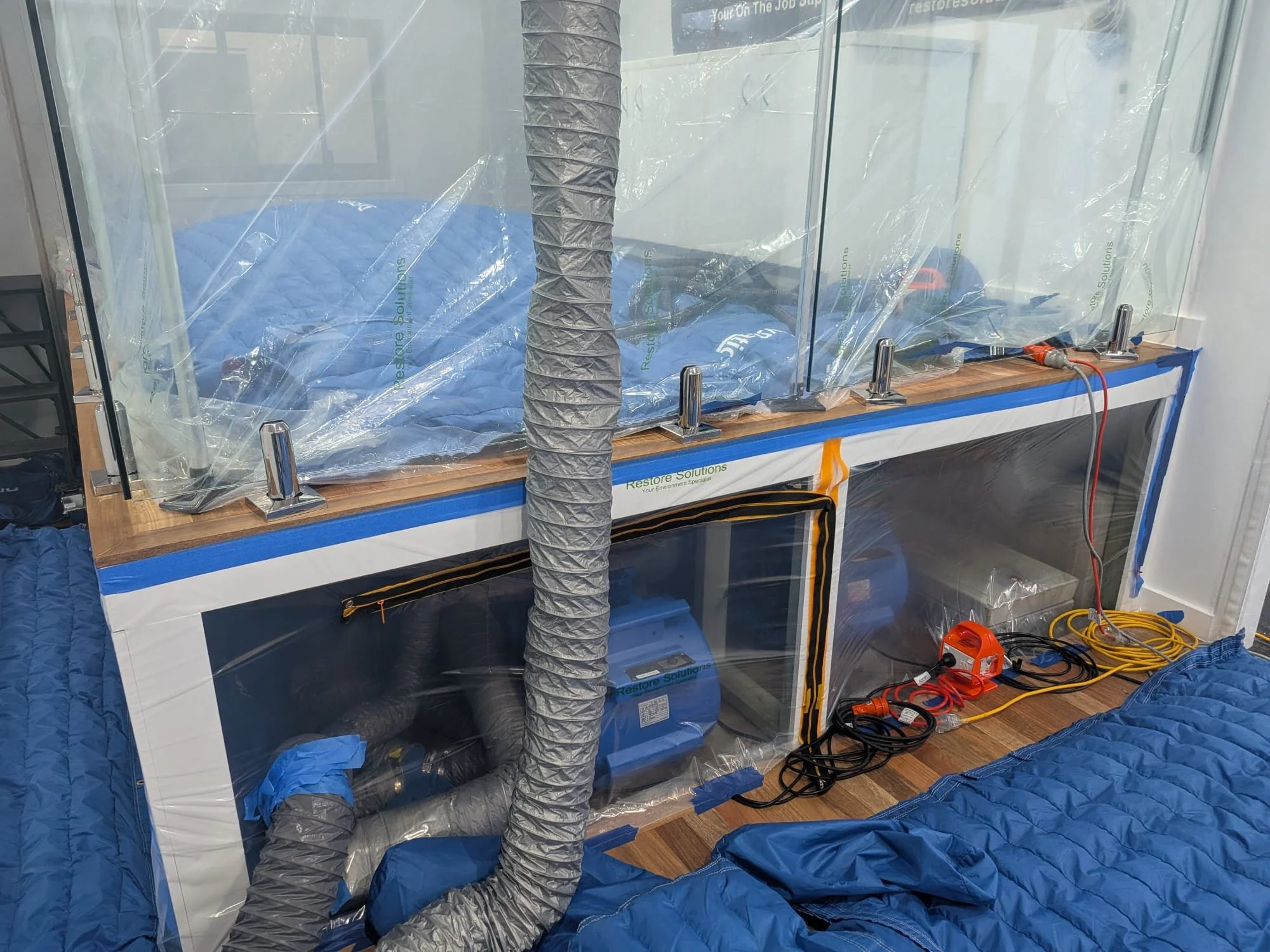
The course doesn't simply explain what equipment exists.
It explains how equipment works together as a complete drying system.
Participants gain practical experience with:
Air movers
Refrigerant dehumidifiers
Desiccant dehumidifiers
Heat drying systems
Target drying systems
Injection drying
Air filtration equipment
More importantly, they learn how to match equipment selection to the building assembly, environmental conditions and drying objectives.
Understanding equipment performance allows technicians to achieve faster drying while improving energy efficiency and reducing unnecessary equipment usage.
Learning Through Doing
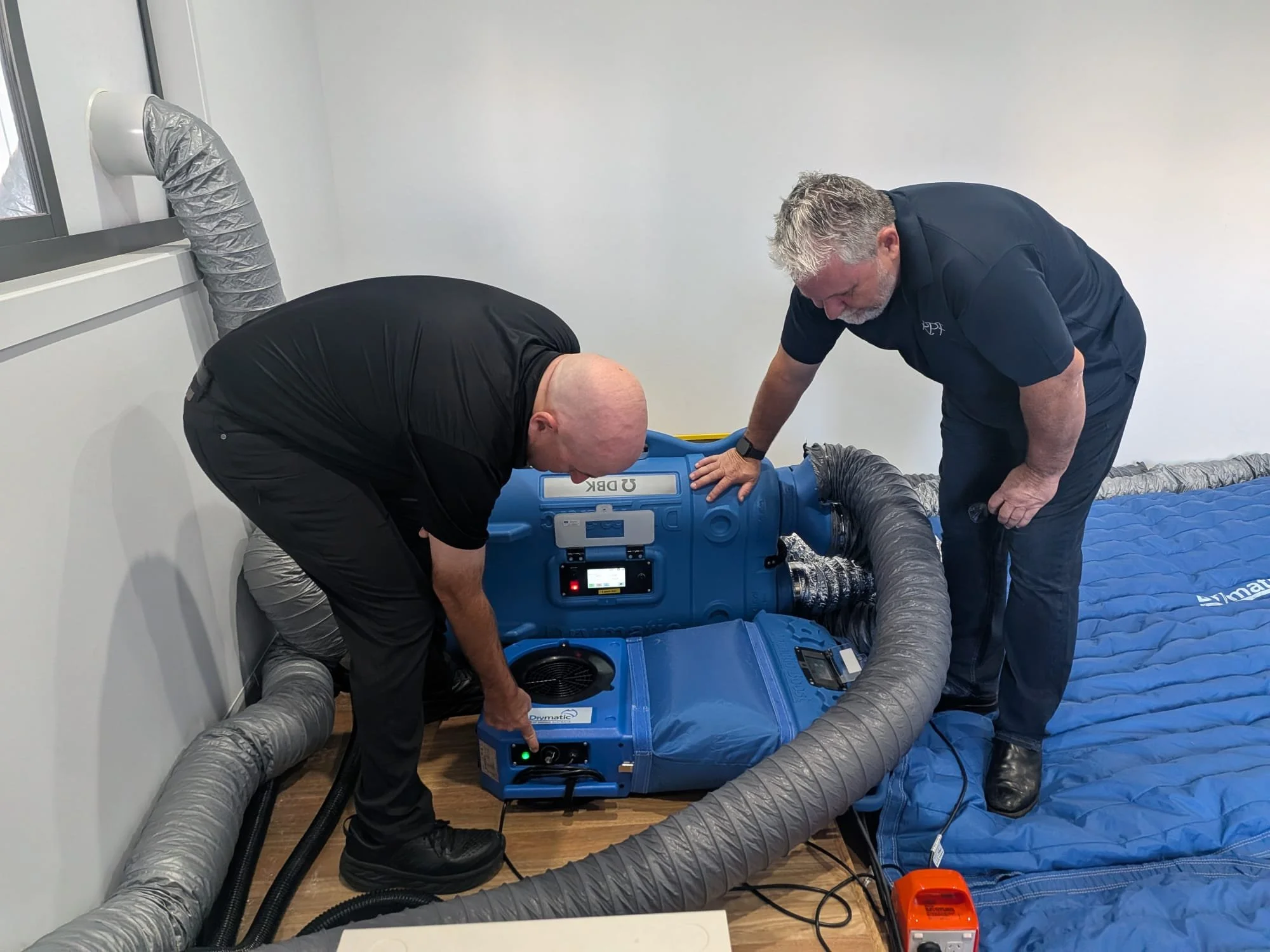
Watching someone perform a task is valuable.
Doing it yourself creates confidence.
Throughout the three-day program participants continually rotate between theory and practical exercises, immediately applying concepts while they're still fresh.
Questions become discussions.
Mistakes become learning opportunities.
Problems become practical exercises.
This immersive approach develops technicians who can think critically rather than simply follow a checklist.
More Than Training—Raising Industry Standards
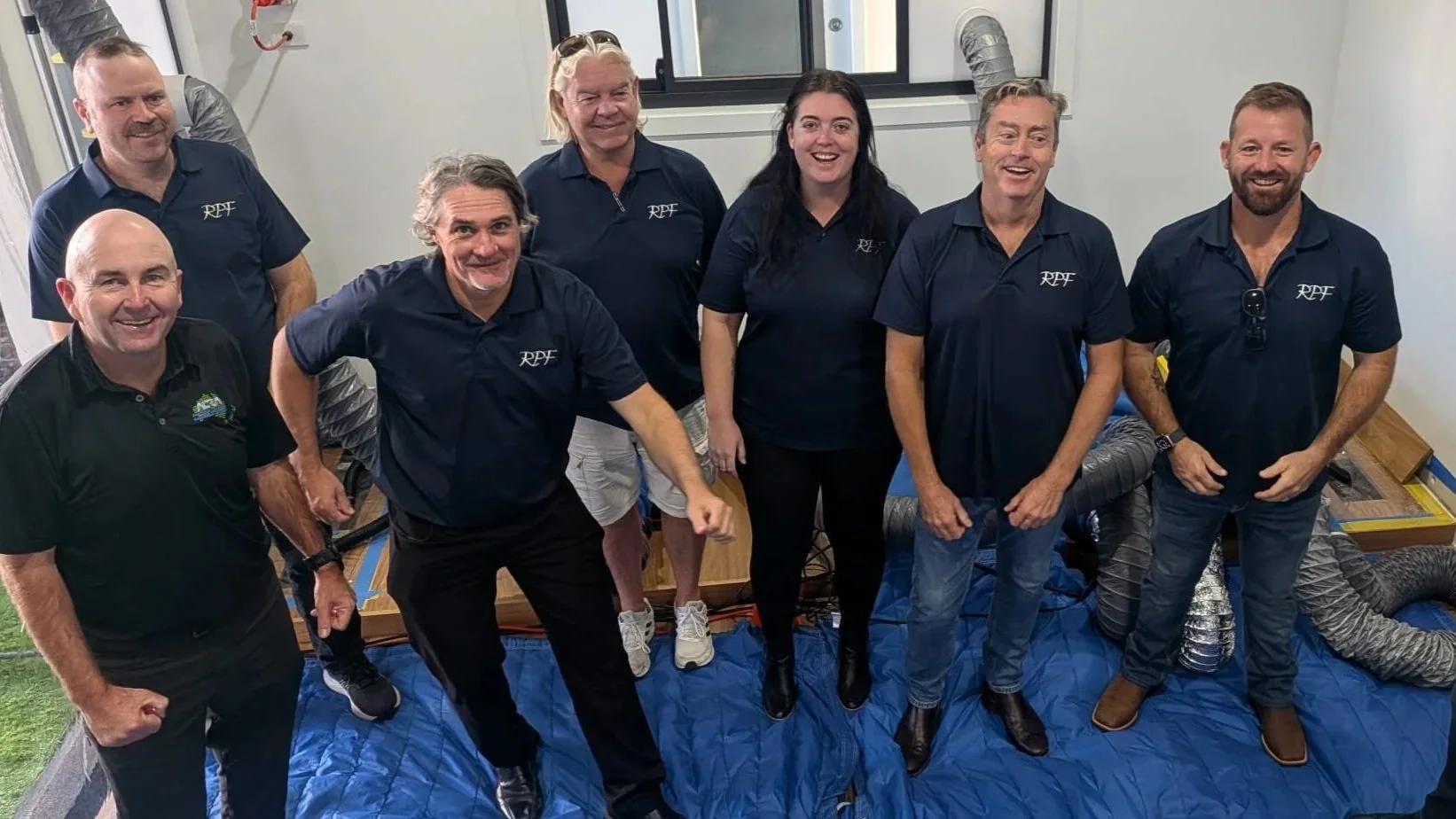
At ACRA, our purpose extends beyond delivering courses.
Our mission is to raise the standard of restoration across Australia and New Zealand by providing practical, industry-led education that reflects the realities of today's restoration environment.
We recognise there are many excellent programs that provide theoretical knowledge.
Our role is to build upon those foundations through immersive, practical learning that develops confident technicians capable of making informed decisions in the field.
Whether you're new to restoration or have years of experience, the objective remains the same—to help you become more accurate, more efficient and more confident on every project.
Because better-trained technicians don't just produce better drying outcomes.
They build stronger businesses, improve customer confidence, increase insurer trust and ultimately help raise the professionalism of our entire industry.
The next weather event isn't a matter of if—it's when.
The question is: Will your team be ready?